Minimal Coping With Nomadic Real Estate
There's a quiet transformation happening in exactly how individuals pick to live. Tiny houses on wheels, converted vans, sailing boats, and modular skins are replacing the standard home mortgage and the four-bedroom house. At the heart of this shift is a straightforward idea: own less, move openly, and allow your home follow your life as opposed to anchoring it. This is minimalist living paired with nomadic real estate, and for an expanding number of people, it's not a stage-- it's a viewpoint.
What Nomadic Housing In Fact Means
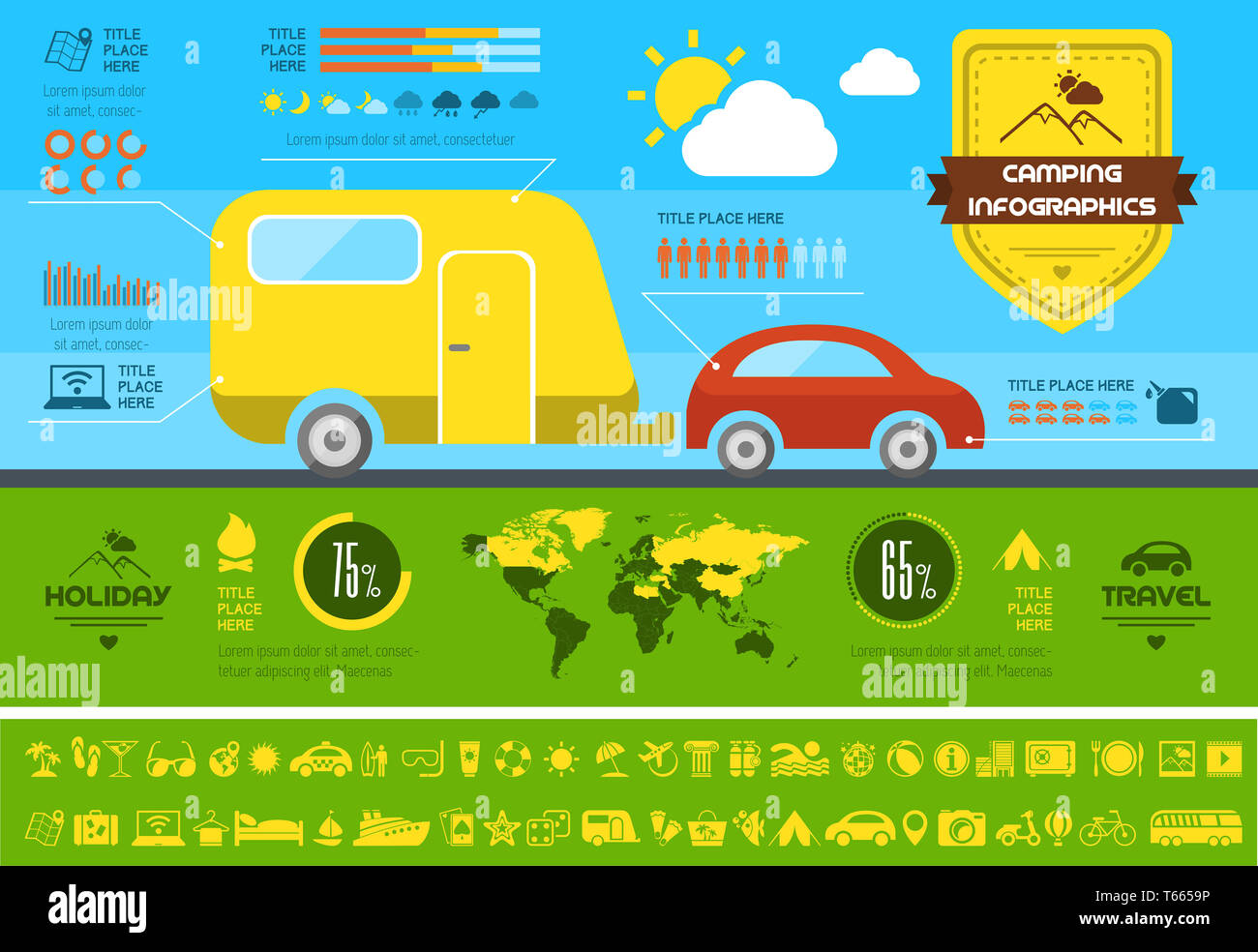
Nomadic real estate describes any type of dwelling created to move with you, whether that's a modified van, a traveling trailer, a skoolie, and even a collapsible sheathing home. Unlike a long-term house, these rooms are developed around flexibility. The wall surfaces are lighter, the impact is smaller sized, and whatever within needs to validate its visibility. This constraint isn't a limitation even a filter. When your home has wheels, every things you bring aboard needs to make its area.
The Overlap with Minimalism
Minimalism and nomadic housing normally enhance each other. A minimal mindset asks "do I require this?" prior to every purchase. A mobile home asks the same question, but with a much more challenging due date: there's just no room for the response to be "possibly." With each other, they create a lifestyle where properties are selected deliberately as opposed to accumulated by default.
Why Individuals Are Selecting This Life
Financial Freedom
Traditional real estate is commonly the single largest expense in a person's life. Rental fee, home mortgages, property taxes, and upkeep costs can eat a third or more of monthly revenue. Nomadic housing substantially lowers these expenses. A well-built van or little home can be paid off in a fraction of the moment a conventional home loan takes, liberating money for experiences, financial savings, or simply working much less.
Environmental Effect
Smaller sized homes make use of fewer sources to build and maintain. Solar panels, composting bathrooms, and rain collection systems prevail in nomadic setups, partially out of need and partly out of worths. Coping with less square video footage normally suggests consuming less electrical energy, much less water, and generating less waste-- a result of the way of living that appeals strongly to eco conscious movers.
Versatility and Liberty of Movement
Possibly one of the most pointed out reason people go nomadic is the liberty to relocate without the concern of offering a residence or damaging a lease. Chasing better weather condition, complying with remote job possibilities, or simply yearning brand-new landscapes comes to be as easy as starting the engine. Home stops being a fixed point on a map and ends up being something you lug with you.
The Practical Realities of Downsizing
Moving right into a mobile home isn't simply a visual choice-- it requires authentic, often hard, decisions about what stays and what goes. Lots of people that make this change report letting go of 80 to 90 percent of their valuables. Furnishings, cookware, closets, and emotional things all obtain reviewed via a solitary inquiry: does this offer my life now?
Multi-Functional Layout
Nomadic rooms count greatly on furniture and storage space that offer greater than one objective. A bed camping tents might fold up right into a couch. A staircase might double as a dresser. A table might collapse versus the wall surface when not being used. This kind of design reasoning, born out of necessity, commonly ends up making the room really feel more deliberate than a conventional home ever did.
Digital Minimalism as a Friend Technique
Physical scaling down often tends to overflow right into electronic life as well. Many nomadic minimalists find themselves decluttering cloud storage, canceling unused registrations, and curtailing their digital footprint alongside their physical one. The mindset of intentionality does not quit at the front door of the van or tiny house.
Difficulties Worth Thinking About
Nomadic minimalist living isn't without friction. Finding trusted parking or mooring places, taking care of utilities like water and power independently, and navigating transforming guidelines around long-lasting vehicle parking or land use can all be real frustrations. Area restrictions also suggest fewer areas to pull away to throughout differences with a partner or roommate, which can examine connections in new ways. It's a way of living that awards planning, perseverance, and a high tolerance for problem-solving on the fly.
Is This Lifestyle for Every person?
Not always. Minimalist nomadic living requests for comfort with uncertainty, a determination to fix mechanical and logistical problems, and a real need to prioritize experiences over ownerships. However, for those that really feel born down by typical homeownership or merely crave extra freedom in how and where they live, it offers an engaging option. It's less concerning giving things up and extra regarding making room-- for movement, for simplicity, and for a life formed by choice as opposed to accumulation.
Getting Started
For any person interested regarding this course, the change does not need to be instant. Start tiny: declutter one space, try a weekend break in a rented camper van, or study the guidelines in areas you want to park long-lasting. Minimal nomadic living is constructed one intentional decision at once, and there's no regulation that states you can't reduce into it.